DVIR Compliance: Requirements, Challenges & Best Practices
Driver Vehicle Inspection Report (DVIR) compliance is more than a regulatory checkbox — it’s a critical safeguard that keeps unsafe assets off the road, protects fleets from fines and liability and ensures operations stay efficient, audit-ready and reliable.
May 3, 2021 | Updated: Jan 26, 2026
8 min read
Key takeaways from this guide
-
DVIR compliance is foundational to fleet safety and uptime: Daily inspections are not just regulatory paperwork — they are a frontline defense against unsafe assets, preventable breakdowns, roadside violations and unnecessary liability.
-
Broken DVIR processes create cascading operational risk: Missed, rushed or poorly documented inspections lead to audit exposure, out-of-service orders, inflated maintenance costs and slower repairs across the organization.
-
Compliance applies beyond long-haul trucking: CMV operators, passenger transport, hazmat carriers, mixed fleets and multi-location operations all face inspection, documentation and liability requirements that demand consistent, scalable workflows.
-
Modern, connected workflows turn DVIRs into an operational advantage: Fleetio digitizes inspections, links failed DVIRs directly to maintenance workflows, automates PM schedules and centralizes audit-ready records, helping fleets stay compliant while reducing downtime and administrative burden.
Driver Vehicle Inspection Report (DVIR) compliance is a critical requirement for fleets that want to operate safely, avoid fines, prevent breakdowns and stay prepared for audits. DVIRs are not just regulatory paperwork, rather they play a direct role in keeping unsafe assets off the road, controlling maintenance costs, protecting uptime and reducing liability exposure.
When DVIR processes break down, the consequences ripple across operations. Missed or inaccurate inspections increase the risk of roadside violations, out-of-service orders and preventable failures. Poor documentation leaves fleets exposed during audits and insurance claims, and disconnected workflows slow repairs, frustrate drivers and technicians and inflate costs.
This guide explains DVIR compliance in plain language. It breaks down what the law actually requires, who must comply, the real-world challenges fleets face and how modern inspection workflows turn DVIRs into a foundation for safer, more efficient and audit-ready fleet operations.
What is DVIR Compliance?
DVIR compliance refers to meeting legal and operational requirements for inspecting assets and documenting their condition each time they are operated. A DVIR records whether a vehicle has defects or deficiencies that could affect safe operation. Compliance ensures that defects are identified, evaluated and — when necessary — repaired before an asset returns to service. This process reduces safety risks, limits liability and creates a defensible maintenance history.
DVIRs serve three essential purposes:
- Keeping unsafe assets off the road
- Proving regulatory compliance during roadside inspections or audits
- Creating a documented maintenance trail that protects fleets from legal and financial exposure
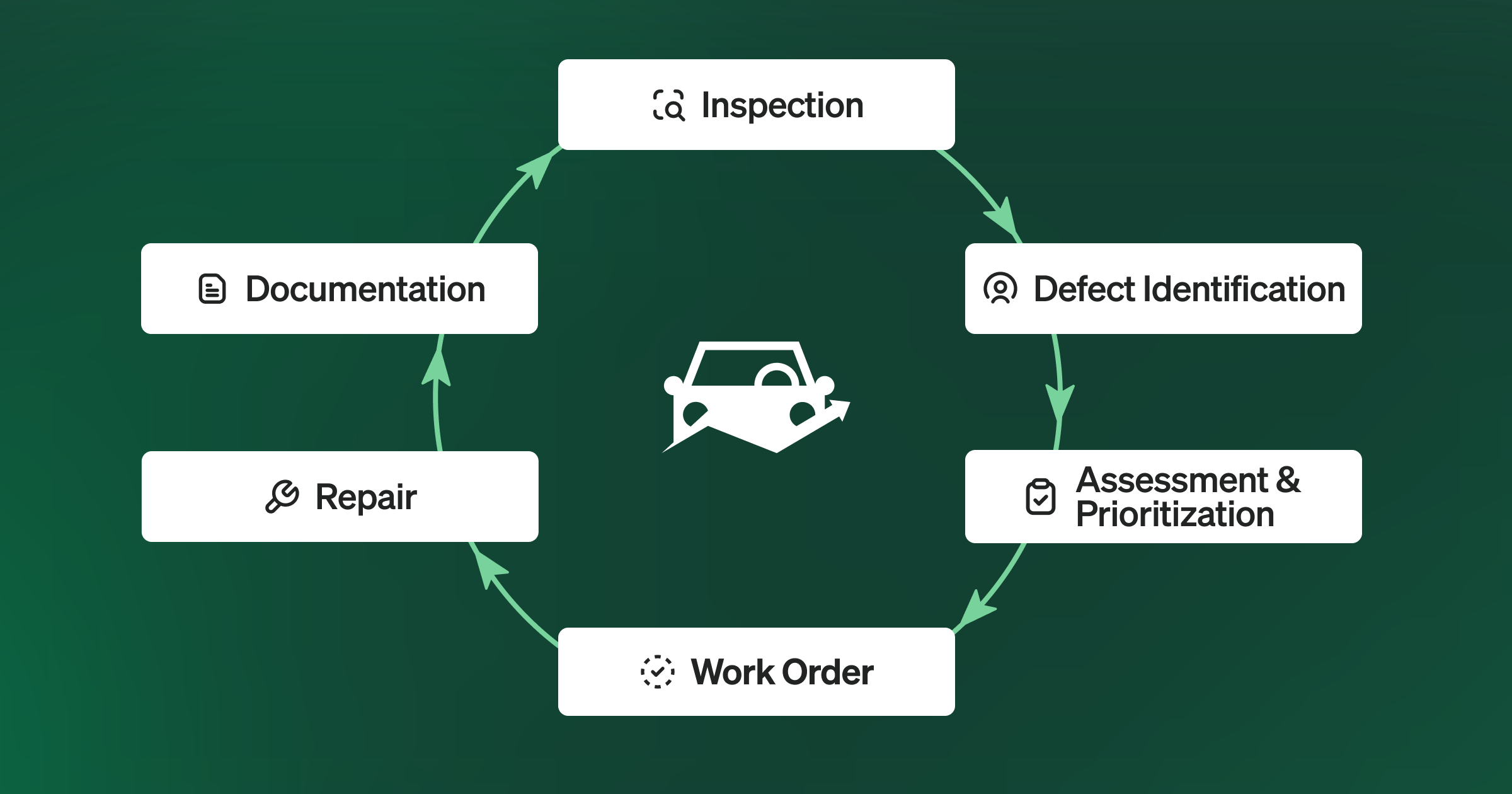
In practice, DVIR compliance connects daily inspections to maintenance decisions, repair workflows and long-term asset health.
Who Must Complete DVIRs and Why?
While DVIRs are commonly associated with trucking, compliance applies across many fleet types due to safety, regulatory and liability requirements.
Commercial motor vehicle (CMV) drivers
Under FMCSA regulations, drivers operating commercial motor vehicles in interstate commerce must complete post-trip inspections and document any defects. Drivers are also required to review the previous driver’s DVIR before operating the asset. Many states enforce similar requirements for intrastate operations. These rules exist to prevent unsafe assets from entering service.
Motor carriers and fleet operators
Motor carriers are legally responsible for maintaining DVIR records, ensuring defects are repaired and enforcing consistent inspection workflows. Incomplete or missing DVIRs expose carriers to fines, failed audits and increased liability in the event of an accident.
Specialized and regulated industries
Passenger transport fleets, such as school buses and transit agencies, often operate under additional state or federal rules. Hazmat carriers face heightened inspection standards due to increased safety and environmental risk. These fleets typically have near-zero tolerance for compliance gaps.
Multi-location and distributed operations
As fleets add depots, regions or third-party maintenance partners, compliance complexity increases. Variations in ownership models, labor arrangements and local practices make centralized oversight and standardized workflows essential.
Mixed fleets
Even fleets not fully subject to FMCSA rules may face inspection requirements from OSHA, state DOTs, insurers or industry regulators. Daily inspections help these fleets reduce breakdowns and maintain consistent safety standards.
Free vehicle inspection form
Download, print and share with drivers for consistent, high-quality inspections every time.
Get your copy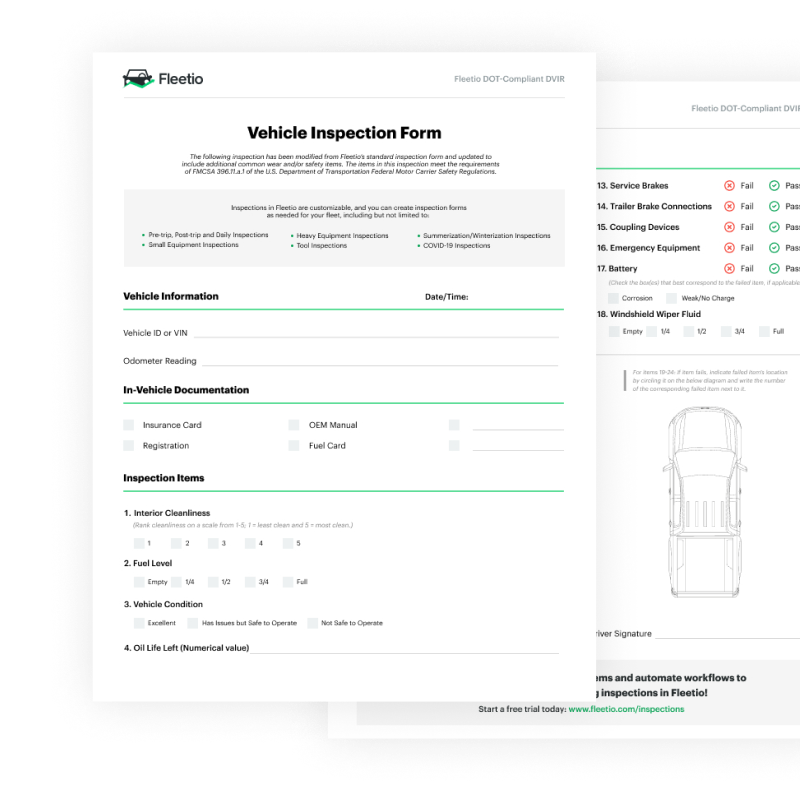
FMCSA DVIR Requirements and Regulations
FMCSA DVIR rules are detailed and often misinterpreted. Understanding the specifics is essential for maintaining compliance.
Pre-trip vs. post-trip inspection requirements
Post-trip DVIRs are required when defects or deficiencies are found during operation under 49 CFR §396.11. Before operating an asset, drivers must review the previous DVIR to confirm that required repairs were completed, as outlined in §396.13.
Required inspection items
Drivers must inspect key components such as brakes, tires, steering, lights, coupling devices, mirrors and emergency equipment. These items form the baseline for determining whether an asset is safe to operate.
Defect reporting, repair certification and return-to-service rules
All identified defects must be documented. When a defect affects safe operation, it must be repaired before the asset returns to service. A mechanic or authorized individual must certify that repairs were completed.
Recordkeeping requirements and document retention timelines
To meet FMCSA compliance, DVIRs and any associated repair certifications and sign-offs must be kept readily accessible for 90 days and retained for at least one year while the asset remains under the motor carrier’s control; if the asset is sold, returned at lease end or otherwise leaves the carrier’s control, records must be kept for an additional six months. Because different regulations reference multiple retention periods, many fleets choose to retain DVIRs for the life of the asset to reduce audit risk and simplify compliance.
Challenges Fleets Face with DVIR Compliance
Many fleets struggle with DVIR compliance due to manual workflows, inconsistent training, fragmented systems and operational silos. Let’s break these challenges down in more depth.
Pencil-whipping and inaccurate inspections
Rushed or falsified inspections undermine safety and increase liability. Without accountability, defects go unreported until they cause failures. Digital inspection submissions and telematics-verified issue alerts can help reduce this problem.
Lost or incomplete paperwork
Paper DVIRs are easily misplaced or illegible, leaving fleets without proof of compliance during audits. Additionally, it can cause gaps in service needs, creating increased downtime and repair costs.
Poor visibility into defect resolution
Fleets often lose track of whether defects were repaired, who addressed them and whether assets were returned to service prematurely. This can lead to critical safety issues on the road or in the field, not to mention those pesky increased costs.
Communication gaps between drivers, mechanics and managers
Disconnected communication slows repairs, increases downtime and creates frustration across teams. Creating a culture of clear communication across the fleet can help reduce these issues, so try to actively solicit feedback and act on information your team reports to you.
Multi-location inconsistency and scaling barriers
Decentralized processes introduce variability that leads to compliance gaps as fleets grow. When different locations are using different inspection checklists or not recording the same work order data, getting accurate insight into fleet health is greatly reduced and the gaps can cause liability issues.
Audit exposure and risk of fines
Missed inspections and missing records can result in fines, out-of-service orders and insurance complications.
Best Practices for Maintaining DVIR Compliance
Effective DVIR compliance bridges regulatory requirements and operational excellence. Let’s look at six tips for achieving success.
1. Standardize inspection forms across all asset types
Consistent inspection templates reduce ambiguity and ensure drivers check the right components. While forms may vary by asset class, standardizing structure and expectations across locations improves compliance. Fleetio supports customizable digital inspection templates that scale across fleets.
2. Train drivers as the first line of defense
Drivers are closest to assets and play a critical role in early issue detection. Hands-on training, refresher programs and documented onboarding reduce pencil-whipping and improve inspection quality. Fleetio’s guided digital inspections make compliance easier for drivers and enables them to attach photos and comments for clarity.
3. Establish a predictable inspection and PM cadence
DVIRs and PM work together: inspections surface daily issues, while PM prevents failures. Pairing inspections with automated PM schedules reduces reactive repairs. Fleetio automates PM reminders and links inspections directly to maintenance workflows by alerting managers and technicians to failed inspection items in real time and generating an issue in the system to kick off the workflow. And, when integrated with telematics, Fleetio keeps PM schedules accurate with live odometer data.
4. Use real-time alerts and exception monitoring
Immediate visibility into failed inspections or missed DVIRs allows managers to intervene quickly. Configurable alerts help teams focus on critical issues without alert fatigue. Fleetio provides real-time notifications and custom dashboards so you can easily monitor inspection compliance rates, missed or late inspections and inspection item failures.
5. Track DVIR compliance KPIs
Metrics such as inspection completion rate, defect-to-repair time and overdue maintenance help fleets identify bottlenecks and enforce consistency. Fleetio visualizes these KPIs through dashboards and reports.
6. Maintain audit-ready, centralized documentation
Digital records with timestamps, signatures, photos and linked work orders protect fleets during audits and improve operational intelligence. Fleetio stores DVIRs and service histories in a single system of record.
How Fleetio Simplifies DVIR Compliance
Modern fleets need connected, automated inspection workflows that eliminate manual gaps and scale across locations. Fleetio turns DVIRs into a foundation for safer, more predictable operations.
- Digital inspections with photos, comments and signatures improve accuracy and accountability
- Failed DVIR items automatically kick off the service workflow, shortening defect-to-repair cycles
- Automated PM reminders keep maintenance on schedule
- Centralized, audit-ready records reduce compliance risk and speed audits
- Multi-location standardization ensures consistent workflows across sites
- Real-time dashboards and alerts show managers what needs attention today
Digital inspections any driver can do
See how your team can turn issues into instant repairs all in the palm of their hand.
Learn more
Frequently Asked Questions

Senior Fleet Content Specialist
As a Senior Fleet Content Specialist at Fleetio, Peyton explores the voices and experiences that shape fleet operations. She focuses on how fleet professionals adopt technology, improve efficiency and lead their teams to bring clarity and context to the challenges happening across the industry.
View articles by Peyton Panik
Senior Fleet Content Specialist
As a Senior Fleet Content Specialist at Fleetio, Rachael Plant uses her near decade of industry experience to craft practical content aimed at helping fleet professionals tackle everyday challenges with confidence.
LinkedIn|View articles by Rachael PlantReady to get started?
Join thousands of satisfied customers using Fleetio
Questions? Call us at 1-800-975-5304