Case Studies
Oklahoma Electric Cooperative
Industry: Utilities & Telecommunications
Location: Oklahoma
By the numbers:
- 94%+ PM compliance consistently maintained
- 157 administrative hours saved across 943 work orders
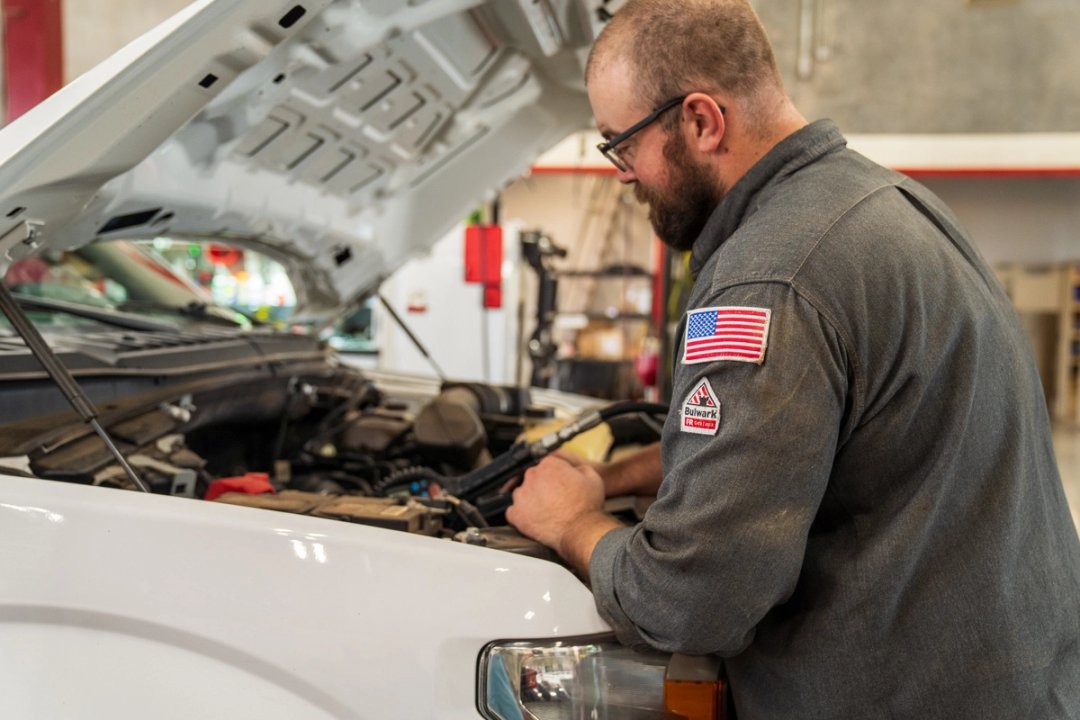
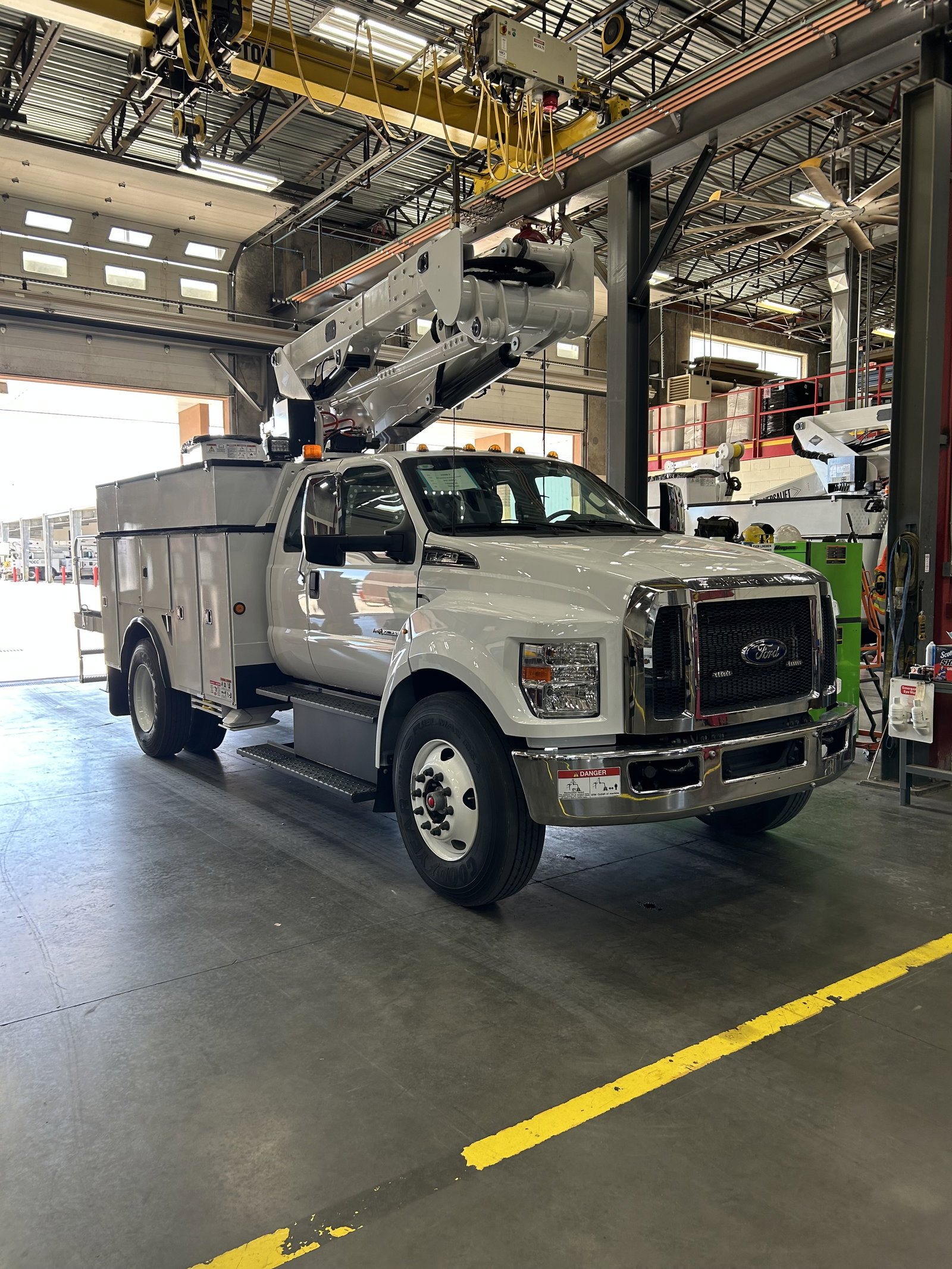
Oklahoma Electric Cooperative (OEC) operates a diverse fleet of light-duty vehicles, heavy-duty trucks, aerial platforms, digger derricks, trailers, generators and specialized construction equipment supporting its electric and fiber operations. Keeping those assets ready is essential to ensuring employees have the equipment they need to serve OEC's members and subscribers.
For OEC's Manager of Fleet, Chris Lee, that responsibility goes far beyond completing repairs. It includes anticipating maintenance needs, identifying potential failures and giving organizational leadership the information needed to make sound decisions.
Previously, much of that work required piecing together information from separate systems, spreadsheets and verbal communication. Today, OEC uses Fleetio to turn information from operators, technicians and equipment into actionable maintenance and planning decisions.
Bringing the Crew Together Around Proactive Maintenance
Before implementing Fleetio, OEC relied on cooperative software, inventory spreadsheets, manual fuel entries and separate processes to manage its fleet. While those tools served individual purposes, they made it difficult to see the complete maintenance and financial history of an asset in one place.
PM required manual oversight, and understanding individual repair costs meant working through cumbersome work orders and disconnected parts and labor information. Even straightforward fleet questions, such as understanding an individual asset’s maintenance history and costs, could require searching multiple sources and manually compiling data. On top of that, communication between equipment operators and the maintenance shop created another challenge.
When employees noticed equipment problems, they often reported them verbally. In some cases, issues were not communicated until the asset was needed again. That meant vehicles and equipment could arrive at the shop at the beginning of the workday requiring immediate attention, potentially delaying crews headed into the field.
”Tracking individual repair expenses, labor, and parts at the line-item level was difficult, and adding parts to work orders was not an efficient process. That limited our ability to quickly understand the true maintenance history and cost associated with an individual asset.” Chris Lee, Manager of Fleet
For an electric cooperative, those delays carry operational consequences. OEC needed a way to identify maintenance needs earlier, coordinate repairs more effectively and make fleet information accessible across departments.
Building a More Connected Maintenance Operation
After evaluating multiple fleet management solutions, OEC selected Fleetio to keep maintenance moving, giving its teams one place to manage inspections, asset histories, work orders and reporting while supporting the cooperative’s long-term fleet goals.The team began implementing Fleetio around 2019, starting with a limited number of assets and fleet technicians.
As technicians became comfortable managing work orders and asset records, OEC expanded into preventive maintenance tracking, operator inspections and issue reporting. Employee education sessions helped establish consistent processes before the platform was rolled out company-wide. That phased approach helped Fleetio become more than a system used inside the maintenance shop. It became a shared communication channel connecting operators, technicians, managers and leadership.
“Fleetio became more than a tool used exclusively inside the shop; it became part of how OEC communicates information about its fleet” Chris Lee, Manager of Fleet
When an operator reports an equipment issue, the fleet team and designated stakeholders can see the information and coordinate a response. Instead of relying on verbal handoffs, OEC can use documented issues to determine what needs attention and when maintenance should occur. One of the clearest examples is how OEC coordinates repairs around its technicians' early-morning shifts.
Two technicians currently work shifts beginning at midnight and 3 a.m. When an operator reports an issue at the end of the previous workday, those technicians can review, diagnose and potentially repair the asset before the employee returns the following morning.
“In many cases, an issue reported by an operator at the end of one workday can be reviewed, diagnosed, and repaired before that employee returns the following morning. The result is that the employee can arrive, get into a ready asset, and begin the day's field work without waiting on the shop.” Chris Lee, Manager of Fleet
Keeping Specialized Equipment Ready for Work
OEC's fleet includes equipment with widely different maintenance requirements, which can’t all be inspected using the same criteria. Fleetio allows OEC to create customized inspection forms based on the specific components and operating requirements of each asset type. For example, inspections for digging equipment include pass/fail criteria for consumable wear components such as auger teeth. Identifying worn components through operator inspections gives the maintenance team an opportunity to plan repairs, prepare replacement parts and address deterioration before it becomes a more significant equipment problem.
That visibility matters because a failure involving specialized equipment can affect an entire field crew's ability to perform its work. Fleetio also uses meter information from fuel transactions, inspections and technician work orders to help OEC identify upcoming PM requirements. Integrations automatically contribute meter entries, reducing manual mileage entry and helping keep maintenance schedules tied to current asset usage. As a result, OEC can plan services using updated asset information instead of depending solely on manual calculations or someone remembering when maintenance is due.
”The larger challenge was visibility. Information existed, but it was spread across different systems and processes. Fleetio has fundamentally changed that for OEC by bringing our maintenance activity, work orders, parts, preventive maintenance schedules, fuel information, and asset history into a much more centralized environment.” Chris Lee, Manager of Fleet
Now, OEC consistently maintains a PM service compliance rate above 90%. Managers can also see reported equipment issues and adjust operational plans while the fleet team coordinates maintenance. That shared visibility supports better accountability and reduces the risk of equipment conditions going unnoticed.
Fleet Intelligence for Better Replacement Decisions
Fleetio's impact at OEC extends beyond the maintenance shop into long-term capital planning. Forecasting asset replacements used to require Chris to evaluate assets individually, using approximately two years of historical mileage or operating-hour data to estimate when each asset would reach its replacement criteria. Although the methodology was sound, the calculations were time-consuming and introduced opportunities for errors or overlooked assets.
OEC now uses Fleetio's Utilization Summary report to evaluate historical usage data across the fleet more efficiently, reducing manual analysis and providing a more consistent basis for replacement forecasts. That information becomes particularly valuable when an asset may need replacement ahead of its normal lifecycle. Instead of relying on age, mileage or subjective assessments alone, Chris can bring together maintenance expenses, recurring failures, work order histories and utilization data to make a documented business case. On several occasions, OEC has used information from Fleetio to support recommendations for early asset replacement, and leadership has approved those proposals. OEC also recently decided to switch manufacturers for a particular type of pickup truck in its fleet. That decision was informed in part by what the team uncovered using Fleetio’s AI Data Analyst and Advanced Analytics. By digging into maintenance costs and service history, OEC was able to take a closer look at how those vehicles were performing and whether they were the right long-term investment. Fleetio gave the team objective data to help evaluate its options and confidently stand behind the change.
”The AI Data Analyst and Advanced Analytics capabilities add another dimension. They provide additional ways to interrogate the information already contained within Fleetio and explore questions without always having to manually assemble multiple data points first.” Chris Lee, Manager of Fleet
A Better Day at Work
The biggest operational difference for OEC is when and how fleet information reaches the people who need it. Before Fleetio, technicians often depended on verbal reports, manually tracked maintenance intervals and worked through multiple systems to reconstruct an asset's history.
Now, operators can report problems directly, technicians can see what needs attention, and managers can monitor the status of the equipment supporting their teams. Fleetio's Advanced Analytics and AI Data Analyst capabilities also give Chris additional ways to explore maintenance costs and identify trends.
”Instead of fleet information existing solely within the fleet department and being distributed only through static reports, leadership can engage directly with the data when needed. That creates a much more transparent and collaborative decision-making environment.” Chris Lee, Manager of Fleet
OEC's Vice President of Operations can work directly with Chris in Fleetio to investigate specific assets or fleet segments, turning reporting into a more collaborative decision-making process and, because the platform connects operational data with maintenance activity, OEC can begin tracking measures it historically lacked, including field service calls. This creates a stronger foundation for evaluating reliability, technician workload and future improvement opportunities.
For employees in the field, the benefit is more immediate, as maintenance issues can be identified sooner, repairs can be coordinated before shifts begin and equipment is more likely to be ready when work starts.
Keeping OEC’s Crews Ready to Serve
OEC's fleet management program continues to evolve. What began as a way to organize work orders and asset records has grown into a connected operation supporting PM, inspections, reporting, cost analysis and long-term asset planning.
The cooperative continues to explore new capabilities and identify additional opportunities to improve how it manages its fleet, but its measure of success — to provide safe, reliable equipment so employees can focus on serving members and subscribers — remains consistent. OEC combines the experience of its fleet team with better information and more proactive workflows so it has a maintenance operation that supports that mission every day.
”Fleetio gives you the opportunity to move away from managing by assumption and toward managing with information. The platform will not make decisions for you, and technology does not replace the experience and judgment of a good fleet team. What it can do is give that team better visibility and better information from which to make those decisions.” Chris Lee, Manager of Fleet
Ready to get started?
Join thousands of satisfied customers using Fleetio
Questions? Call us at 1-800-975-5304