Fleet Vehicle Replacement Timeline: How to Know It’s Time
A well-timed vehicle replacement strategy helps reduce operating costs, avoid breakdowns and justify budgets. This guide explains how to use TCO, mileage and software insights to replace assets proactively.
Aug 11, 2022 | Updated: Jul 22, 2025
6 min read

Content Overview
This guide helps fleet managers build a data-backed vehicle replacement timeline using TCO, mileage, utilization and maintenance trends. Learn how to forecast replacement schedules by asset type, reduce downtime and justify replacement decisions to leadership. Includes a year-by-year timeline, key metrics to track and access to Fleetio’s free replacement calculator.
What you need to know about fleet vehicle replacement
Knowing when to replace fleet vehicles helps reduce costs, improve safety and maintain efficiency. Here’s a quick breakdown of how to assess and plan your replacement lifecycle:
- Watch key indicators: Monitor asset age, mileage, repair history, and driver feedback
- Track usage and downtime: High utilization or frequent breakdowns are red flags
- Evaluate TCO: Total cost of ownership can reveal cost-inefficient assets
- Follow a year-by-year timeline:
- Year 0–1: New assets – minimal issues
- Year 2–4: Track rising maintenance and depreciation
- Year 5+: Assess safety, cost, and resale value
- Create a replacement plan: Rotate 15–25% of fleet annually using tracked data
- Use software to stay ahead: Fleet management tools help identify trends and forecast needs
We'll dig into the details of each of these points in this blog, but your ultimate takeaway should be that proactive replacement keeps fleets cost-effective, compliant and prepared for what’s next.
Why timing matters for vehicle replacement
Delaying asset replacement may feel cost-effective in the short term, but over time it can lead to higher repair costs, safety concerns and unpredictable downtime. Establishing a structured replacement timeline helps you:
- Control maintenance and operational costs
- Justify budget decisions with data
- Improve uptime and driver satisfaction
- Meet evolving emissions and safety standards
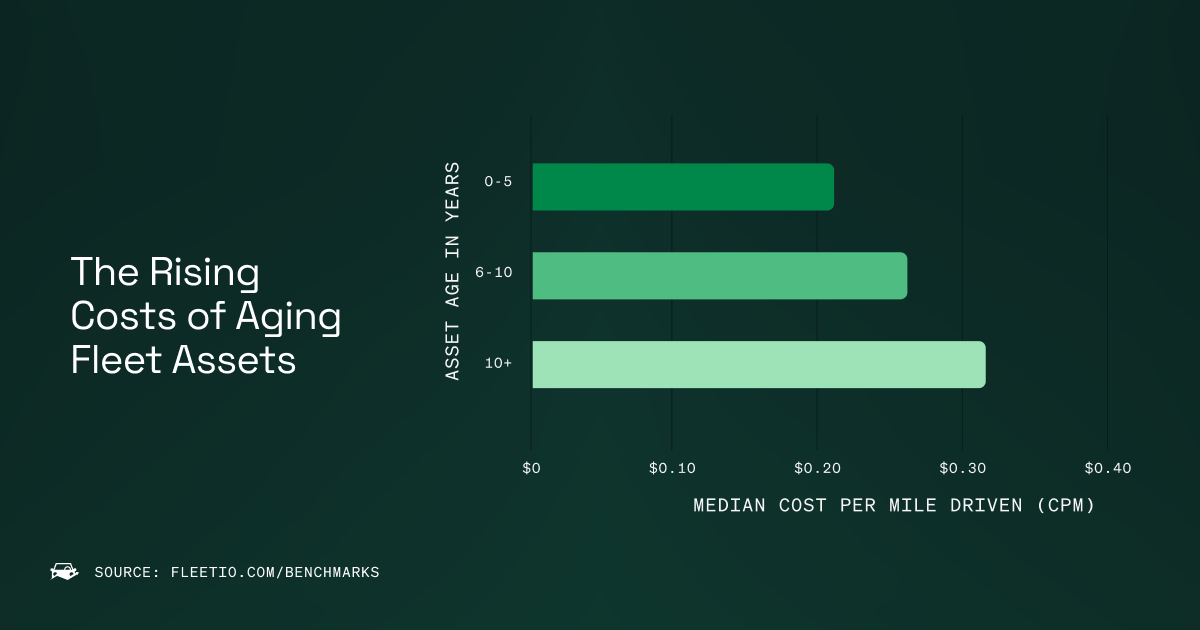
Top factors to consider when replacing fleet assets
Fleet managers should weigh multiple variables when assessing an asset’s replacement window:
Age and mileage thresholds
Most fleet vehicles should be replaced between 100,000–250,000 miles or every 4–7 years, depending on usage, vehicle class and conditions.
Maintenance and repair costs
Track cumulative service costs in your fleet management platform. A sharp increase in maintenance often signals that the asset is no longer cost-effective.
Downtime and productivity impact
If an asset spends more time in the shop than on the road — or if it disrupts operations — replacement may be more cost-effective than ongoing repairs.
Fuel efficiency and emissions
Outdated vehicles may be less fuel-efficient and fall short of new emissions standards, increasing operational costs and compliance risk.
Driver safety and satisfactiom
Older assets may lack critical safety tech or comfort features, leading to increased risk and lower driver morale.
Utilization rates
Use asset utilization data to identify underused or overused units. Both can signal a mismatch between asset and task, which may justify replacement.
Key metrics to track for smarter replacement decisions
Making informed replacement decisions means monitoring the right data points over time. These core metrics can help you identify cost-inefficient assets and avoid unexpected breakdowns:
- Total cost of ownership (TCO): Tracks the full cost of operating an asset, including fuel, maintenance, depreciation, and administrative overhead.
- Cost per mile (CPM): Measures operating expenses relative to asset use — a rising CPM often signals declining efficiency.
- Utilization rate: Measures daily use (miles or hours). High utilization can shorten lifecycle; low utilization may indicate excess capacity.
- Downtime and repair frequency: Frequent unplanned repairs reduce availability and increase indirect costs.
- Depreciation curve: Steep declines in value may impact resale potential and long-term ROI.
- Safety incidents or inspection failures: Older vehicles lacking updated safety tech may pose compliance and risk issues.
Pro Tip
Tracking these metrics in a fleet management platform like Fleetio makes it easier to spot trends across asset classes and build a replacement plan that aligns with operational needs and budget cycles.
Don’t let aging vehicles agitate your operations
Outdated vehicles cost you time and money. Join the thousands of fleets that are already using lifecycle management tools to save big and optimize their operations.
Try it for yourself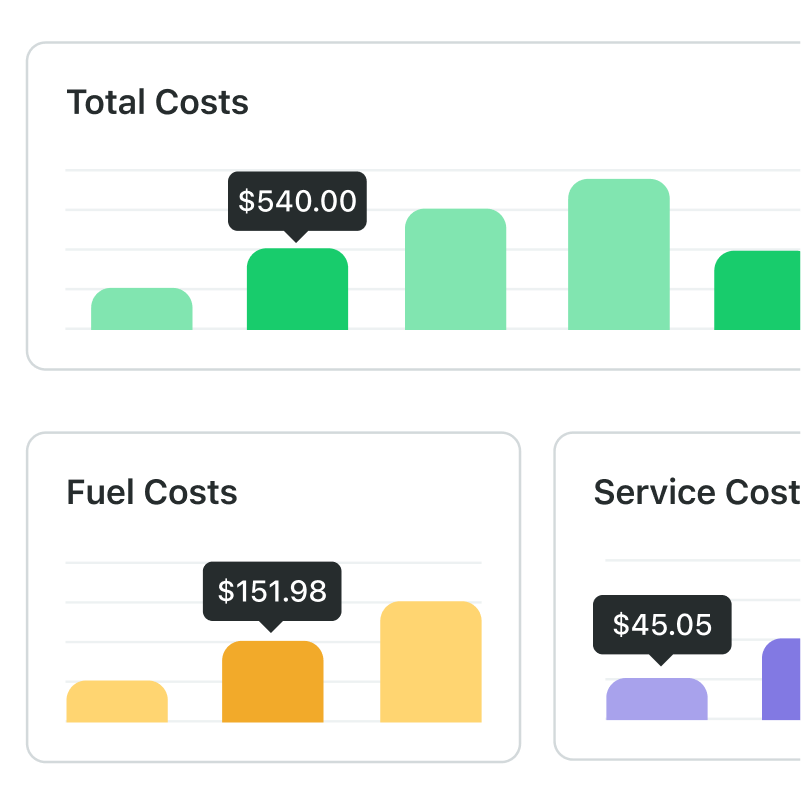
A year-by-year fleet vehicle replacement timeline
Along with our super convenient Vehicle Replacement Calculator, we’ve outlined a timeline that you can use in your own fleet management practice to determine your vehicle’s replacement timelines. We’re operating on the standard vehicle replacement timeline of 5-7 years, but depending on your operation, you’ll want to analyze your fleet utilization and other data to set your ideal vehicle replacement schedule.
Use this sample breakdown as a guide to anticipate lifecycle costs and replacement needs:
Year 0–1: Baseline performance
New assets typically require minimal service. Focus on tracking baseline performance data (fuel, mileage, idle time).
Year 2–4: Early wear and depreciation
Monitor maintenance trends and depreciation rates. Resale value begins to decline, and early signs of wear may appear depending on asset type and use case.
Year 5+: Decision point
By this stage, many assets begin requiring frequent repairs. TCO may rise above replacement thresholds. Evaluate performance, safety and resale value carefully.
Benefits of strategic replacement planning
Taking a proactive approach to replacement delivers long-term gains:
- Fewer unexpected repairs and emergency service calls
- Improved safety through access to modern technologies
- Predictable budgeting using lifecycle cost projections
- Higher resale values when retiring assets at optimal points
- Happier drivers thanks to better equipment and fewer disruptions
How to create a fleet replacement schedule
Use your own asset data — and a tool like Fleetio's Vehicle Replacement Calculator — to forecast and plan your strategy.
Step-by-step fleet replacement guide
- Segment assets by class, application and usage
- Track TCO, downtime and repair trends in your software platform
- Identify aging or underperforming assets for priority replacement
- Forecast budgets based on historical data and utilization patterns
- Review annually and adjust based on emerging trends
Pro Tip
Build a rotating schedule that replaces 15–25% of your fleet each year. This spreads out costs and keeps your operation efficient and future-ready.
Using TCO to guide replacement decisions
Total cost of ownership (TCO) provides a data-backed lens to evaluate asset efficiency. TCO includes:
- Acquisition cost
- Maintenance and repair expenses
- Fuel usage
- Depreciation
- Administrative and downtime costs
When a vehicle’s ongoing TCO surpasses the projected cost of a new unit, it’s a clear signal that it’s time to replace.
Pro Tip
To reduce your costs of operating vehicles, you must first reveal your costs of operating vehicles.
Stay proactive with fleet management software
With centralized data, you can identify high-cost assets, flag reliability concerns and plan for replacement without guesswork. Software like Fleetio gives you:
- Lifecycle tracking for every asset
- Real-time maintenance visibility
- TCO and utilization reporting
- Integration with inspection and fuel data
The bottom line
You won't find a vehicle's true value on a price tag in the lot — it's revealed over time by a wide variety of different contributors that you have to look out for and monitor. By building a replacement timeline that considers TCO, asset performance and operational impact, you can reduce risk and build a more resilient fleet.
How do top fleets keep costs under control?
Leading fleets don’t guess when it comes to expenses — they track, analyze and optimize. Learn how top-performing companies use TCO management to reduce waste and maximize profitability.
It's all in the guide

Senior Fleet Content Specialist
As a Senior Fleet Content Specialist at Fleetio, Peyton explores the voices and experiences that shape fleet operations. She focuses on how fleet professionals adopt technology, improve efficiency and lead their teams to bring clarity and context to the challenges happening across the industry.
View articles by Peyton Panik
Director of Fleet Content, Fleetio
Zach Searcy is the Director of Content at Fleetio with more than 5 years of experience in the automotive and fleet industries. His content creation days started in middle school when he and his friends began filming lightsaber battles to upload to a new website: 'YouTube.'
LinkedIn|View articles by Zach SearcyReady to get started?
Join thousands of satisfied customers using Fleetio
Questions? Call us at 1-800-975-5304