Why Fleet Maintenance Vendors Fail & How True Service Partnerships Drive ROI
Fleet maintenance shouldn’t feel like a waiting game. Yet too many fleets are stuck with vendors who leave them in the dark, costing time, money and trust. The real opportunity? Building service partnerships that deliver clarity, accountability and lasting ROI.
Aug 26, 2025
9 min read
Key takeaways from this blog
-
The old vendor model is broken: Transactional shops create delays, hidden costs and frustration rather than helping fleets run smoothly.
-
Partnerships drive better outcomes: True maintenance partners share accountability, increase transparency and help fleets achieve measurable results.
-
Technology builds trust and efficiency: Shared platforms like Fleetio enable visibility, collaboration and data-driven decisions that reduce downtime and boost ROI.
-
Spotting the right partner is critical: Knowing how to identify real partners empowers fleets to turn maintenance from a costly headache into a competitive advantage.
The problem with traditional vendor relationships
Fleet maintenance delays cost more than just time. Just one extra day of downtime can throw off routes, push back deliveries and strain driver schedules, and all those setbacks eventually rear their ugly head in your operational costs. Over time, even minor inefficiencies can add up to lost revenue, missed KPIs and frustrated customers.
And if you're feeling frustrated by your maintenance compliance rates, you're not alone: 30% of fleets self-report a maintenance complaince rate of less than 75%, which means that just around a third of fleets aren't totally satisfied with their approach to maintenance and service partnerships.
So when a repair takes too long or you can’t get a clear update from your service provider, it’s easy to mentally shift the blame onto them. And that’s when you find yourself living in the negative feedback loop that is bad vendor relations, or worse, wasting your valuable time shopping for a new one.
So here’s a question worth asking: is the delay the result of a lazy vendor, or a broken system that the fleet industry is bent on perpetuating? Maintaining fleet vehicles is complex, no matter what kind of asset you’re working with, and outsourcing maintenance only adds to that complexity. The traditional fleet-vendor dynamic often falls short because it’s transactional by design. You need something, they provide it.
But fleets don’t just need providers. They need partners, ones who understand their distinct operational needs, anticipate problems before they arise and communicate with clarity and accountability.
If you’ve been treating fleet service like a commodity, you’re missing the bigger picture. It’s time to start expecting more from your shop relationships, because the future of optimized maintenance is collaborative — and it starts with choosing service partners, not just vendors.
Transactional service is yesterday’s model
Historically, working with a service provider has been a fairly straightforward three-step waltz: Drop off vehicle. Wait for call. Pick vehicle up. (And ideally, pay at some point.)
You’re not always sure what’s happening behind the scenes or how decisions are being made. In some cases, you may not even have visibility into the final cost until you see the invoice.
This model leaves fleets in a reactive position. And while it might have been acceptable when operations were smaller and data less accessible, today’s fleets are under more pressure than ever to optimize every mile, every asset, every hour, and the traditional transactional maintenance process does not facilitate those goals.
Transactional relationships offer speed and simplicity… until something goes wrong. That’s when the cracks show. Without shared systems or aligned expectations, it’s hard to hold vendors accountable. You might not know how long a job should realistically take, how often an issue has occurred on that unit or whether preventative work was even discussed. The lack of transparency becomes a liability to you and your fleet.
Stop Googling “repair shops near me"
Search, find and work with trusted providers across the nation in the Maintenance Shop Network to reduce delays, simplify service and keep every task on track.
See all the shops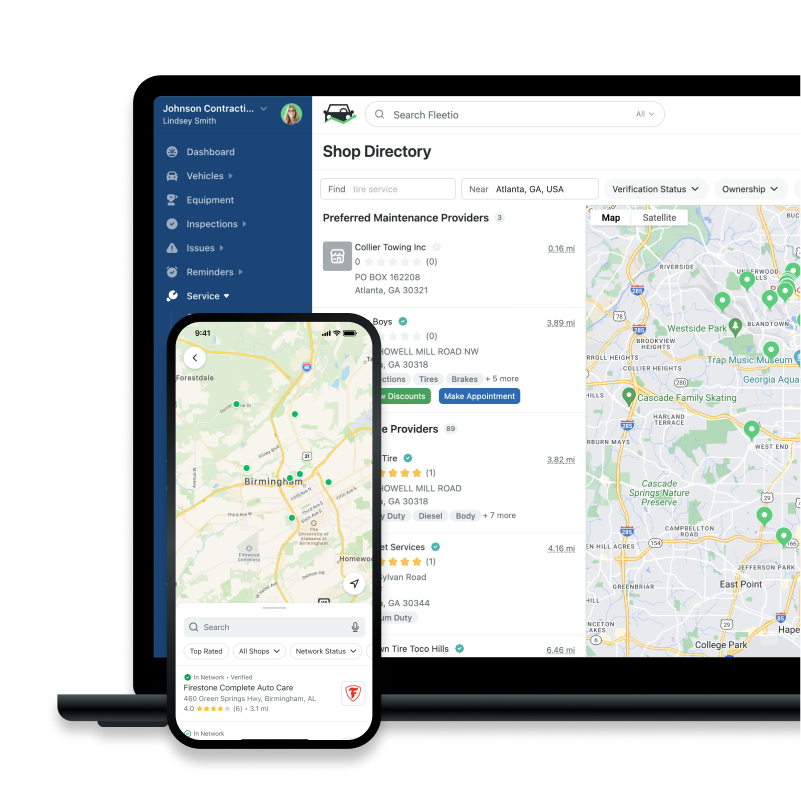
So what is a strategic partner, exactly?
A true maintenance partner brings tools and labor, sure. But in a perfect scenario, they also bring context, collaboration and shared responsibility for your assets. Instead of just reacting to breakdowns, they help prevent them. Instead of guessing at your priorities, they work to understand them.
That kind of partnership doesn’t happen by accident. It starts with shared infrastructure and systems that give both parties a clear, consistent view of the work being done and the data behind it. It grows through communication, where updates are prompt, quotes are itemized and decisions are made jointly. And it thrives on mutual accountability, where both sides are empowered to track performance, ask questions and suggest improvements.
When a fleet service provider operates with this level of alignment, they stop being a cost center and start becoming a value driver.
Systemic issues require systemic solutions
It's tempting to attribute maintenance delays to individual shops or technicians. And yes, sometimes you really do need a new provider. But more often than not, the issue runs deeper., and you just need a new way to approach managing fleet maintenance.
Many shops juggle dozens (or hundreds) of clients, each with their own communication preferences, approval processes and data formats. Without a standardized way to collaborate, even the best-intentioned shop will struggle to meet expectations.
Consider how much time gets lost to:
- Chasing down paper invoices or emailed quotes
- Manually transferring service data into your fleet system
- Waiting for status updates with no visibility into repair stages
- Approving work without context on vehicle history or prior recommendations
None of these are malicious. They’re just artifacts of an ancient system, and they happen because the tools used by fleets and service providers rarely talk to each other.
The solution isn’t just to ask for faster service. It’s to build a better foundation for service altogether.
Technology makes real partnership possible
This is where platforms like Fleetio come in. When both fleets and shops operate in the same ecosystem, the relationship shifts.
Data becomes transparent.
Workflows become consistent.
Trust becomes measurable.
In a fleet maintenance software like Fleetio, a fleet manager can create or approve work orders, review line items, track status updates and get notified when a vehicle is ready, all without sending a single email or making a single phone call. Shops, in turn, can access vehicle histories, warranty info and approved PM schedules, giving them the context to make better decisions faster.
And perhaps most importantly, both parties are aligned on what quality service looks like, because the system enforces those standards through structured workflows and performance tracking.
There’s a kind of mutual virtue signaling that happens when a fleet works with a shop in Fleetio's Maintenance Shop Network: you both value accountability, efficiency and data-driven operations. You’re not just working together, you’re working alike — speaking the same fleet language, if you will.
Pick the right provider from the get-go
Bookmark it, save it or share it. This free Service Providers Guide will give you the tools and tips you need to select a provider that puts your fleet first.
Get the guide
Finding the right partner starts with a mindset shift
James Shelton with Jiffy Lube International paints a very clear picture of what a beneficial relationship looks like between a fleet and the right service provider when there’s defined priority and documentation:
A lot of your service providers will require appointments. And a lot of times you can't schedule when that serpentine belt is going to break or when a tire blows out. You can't schedule that. So you need to have a place that is willing to allow you to just show up at their doorstep and say, ‘Hey, we need to replace the serpentine belt today.’ And they'll take care of you then… Additionally, you can identify larger problems with that. So if you come in and two months later, your serpentine belt is showing signs of wear again, and it's obviously supposed to last longer than that, then they could be like, there's probably a larger issue that we need to look at.” James Shelton
We’re not saying that the right provider will come running at your beck and call, but they will understand what matters most and be willing to be accountable for the work they do.
To get more from your service relationships, you have to start expecting more and communicating those expectations early. Rather than asking “Can you fix this quickly?” try asking:
- “What is your average turnaround time for repairs like this?”
- “How do you communicate repair status and approvals?”
- “Do you work within a shared fleet maintenance system?”
- “Are you able to track and report on service history, parts usage or recurring issues?”
Shops that answer these questions confidently, and demonstrate a willingness to improve and collaborate with you, are already thinking like partners. If they’re using a shared platform like Fleetio, even better.
And if your current provider can’t meet those expectations? It may be time to reconsider the relationship. Not because they’re bad at what they do, but because you’ve outgrown the limits of a transactional model.
The ROI of real collaboration
There are still some transactions to be accounted for with outsourced maintenance, of course. Vendor relationships are still a financial investment, but measuring the ROI of your maintenance partnerships isn’t always as simple as looking for the cheapest option possible that you can settle for. The same can be said of the platforms and technologies you use to house and manage those maintenance partnerships.
Tom Rowlings, assistant fleet manager for the City of Cambridge DPW, indicated that when he was researching fleet management software, cost wasn’t “anywhere in his research equation,” which isn’t the most common approach for a public sector fleet.
I didn’t even factor in cost until I found a couple of [vendors] that would actually function the way I wanted them to.” Tom Rowlings
In Tom’s ideology, paying for the right solution was far better than saving money on the wrong solution. But there are plenty of other ways to me Strategic service partnerships will do a lot to smooth out your day-to-day, but it’s good for your operational performance, too. Fleets with strong provider relationships often get:
- Faster approvals and fewer delays
- Improved visibility into repair timelines and costs
- Reduced asset downtime and fewer emergency repairs
- More accurate preventive maintenance scheduling
- Better data for compliance and performance reviews
These outcomes come from structured, system-supported collaboration, not just luck or personal connections. A rising tide lifts all boats, so choosing to work with providers who take your success as seriously as their own is always the best move you can make.
Your vehicles are critical assets that drive your whole business model. Your operations depend on precision and reliability. Your service providers should reflect those same values. If you and your providers are using Fleetio, you can guarantee you share the same values.
If you’re frustrated with your current vendor, don’t just look for a faster one. Look for a partner — someone who’s willing to step inside your workflow, communicate openly and prioritize what matters to you.
What’s in your fleet software?
If you're still relying on emails, calls and scattered docs to manage service, you're doing more work than you should. Fleetio gives you full visibility into repairs, lets you approve work instantly and keeps shops and teams aligned — all in one platform.
Request your demo today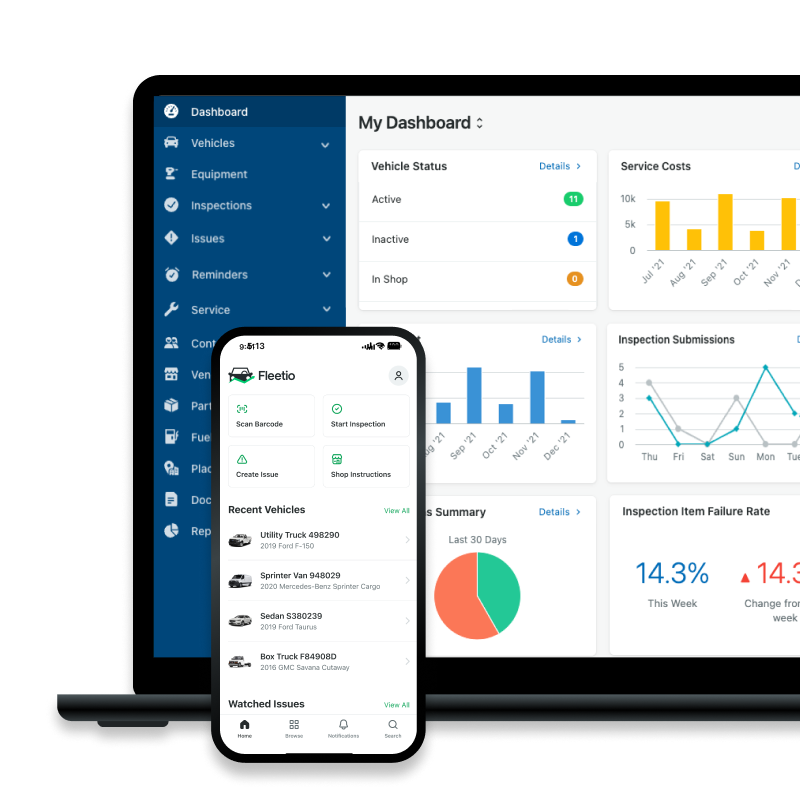

Senior Fleet Content Specialist
As a Senior Fleet Content Specialist at Fleetio, Peyton explores the voices and experiences that shape fleet operations. She focuses on how fleet professionals adopt technology, improve efficiency and lead their teams to bring clarity and context to the challenges happening across the industry.
View articles by Peyton Panik
Director of Fleet Content, Fleetio
Zach Searcy is the Director of Content at Fleetio with more than 5 years of experience in the automotive and fleet industries. His content creation days started in middle school when he and his friends began filming lightsaber battles to upload to a new website: 'YouTube.'
LinkedIn|View articles by Zach SearcyReady to get started?
Join thousands of satisfied customers using Fleetio
Questions? Call us at 1-800-975-5304